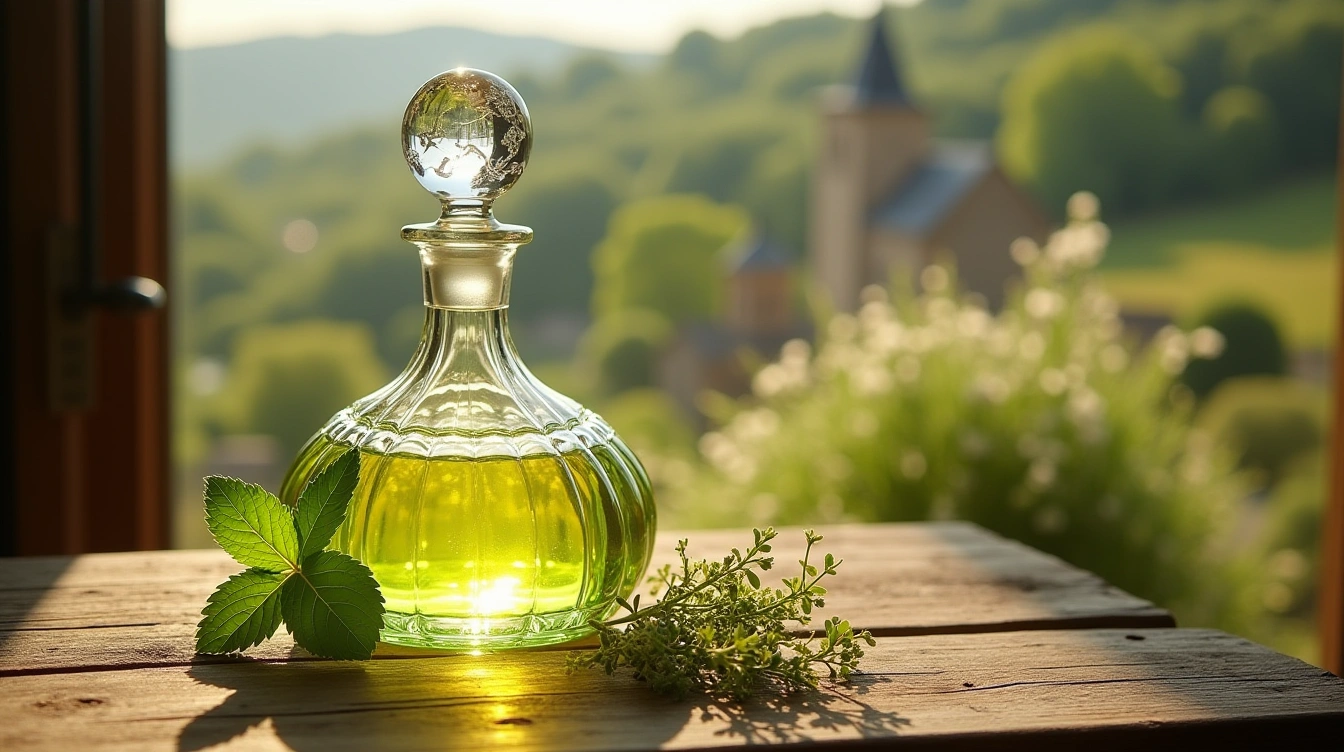
Few spirits ignite curiosity quite like chartreuse. Renowned for its vibrant color and intricate flavors, this centuries-old French herbal liqueur holds a unique place in both history and modern mixology. Its distinctive shade—so characteristic that “chartreuse” now names a specific hue of green—is just one facet of a story rooted in tradition, natural ingredients, and enduring mystery.
The origins and legend of chartreuse
Chartreuse’s journey began in 18th-century France. The creation of this legendary spirit is cloaked in secrecy, as only a select few ever know the precise recipe. Central to its mystique are the Carthusian monks, who have carefully preserved and protected the formula through centuries marked by war and upheaval.
Additional reading : Mastering Mess-Free Garlic Chopping: Your Guide to Selecting the Perfect Uniform-Style Chopper
Originally devised as an elixir inspired by ancient manuscripts, chartreuse evolved into the celebrated herbal liqueur we know today. Valued not only as a digestif but also as a prized cocktail ingredient, it bridges past and present with every sip.
The vibrant colors: green and yellow versions
In the same genre : Indulge in gourmet tinned duck confit: a french delight
A defining trait of chartreuse is its unforgettable appearance. Enthusiasts encounter two primary styles: the bold green version and the gentler yellow variant. Each has earned iconic status among spirits lovers and bartenders alike. For those interested in learning more about these famous styles, you might want to explore the full range of chartreuse.
Color plays a central role, especially with chartreuse green—a tone so unique it became a reference in art and design. Yet beyond visual appeal, each type offers a distinct personality, delivering varied aromatic and flavor experiences.
Understanding chartreuse green
Green chartreuse captivates with its intensity, both visually and on the palate. This style owes its power to a higher concentration of herbs and botanicals, producing layered aromas and memorable flavors. Mint and pine lead the way, creating a cooling introduction before notes of citrus, anise, licorice, and violet unfold to complete the signature taste.
With its robust character and high alcohol content—typically around 55%—green chartreuse delivers a lingering, herbal-spicy finish. Served as a digestif, it leaves a lasting impression well after the glass is empty.
The allure of yellow chartreuse
Yellow chartreuse provides a softer expression while maintaining remarkable complexity. Sweeter on both nose and palate, it reveals honeyed undertones alongside basil, banana, lime, peppermint, sage, and bergamot. This milder version features a lower alcohol content (about 40%) and presents a rounder, smoother profile whether sipped neat or over ice.
Admired for its golden color and nuanced layers, yellow chartreuse appeals to those seeking a more approachable yet still intriguing herbal liqueur. It remains accessible without sacrificing depth or sophistication.
Inside the bottle: herbs, aging, and aroma
Both expressions of chartreuse impress with their complex blend of herbs and botanicals. Around 130 plants, roots, leaves, and flowers are combined in each batch—a secret blend that ensures each tasting experience is subtly unique.
Like many great spirits, chartreuse improves with age. Bottles left to mature develop richer, more harmonious flavors as spicy and floral notes integrate. This aging process enhances depth, making older chartreuse highly sought-after by collectors and aficionados.
- 🌿 Rich in herbs and botanicals (around 130 components)
- ⏳ Improves with age, revealing new aromatic/herbaceous notes
- 🌈 Two main types: intense chartreuse green and mellow yellow
- 🍯 Flavor spectrum includes honey, mint, pine, citrus, anise, violet, banana, lime, peppermint, sage, and bergamot
- 💪 Alcohol content ranges from 40–55%
- 🥃 Traditionally served as a digestif after meals
Serving and enjoying chartreuse
Traditionally, chartreuse is enjoyed as a digestif, either chilled or served over ice following a meal. Its rich complexity aids digestion and provides a flavorful conclusion to dining experiences.
Today’s bartenders embrace chartreuse in creative cocktails. Its assertive character allows it to stand out alongside other strong flavors, adding vivid color and aromatic depth to classic and contemporary drinks. Both the green and yellow versions bring liveliness and complexity to any recipe.
| ⚖️ Attribute | 🔵 Green Chartreuse | 🟡 Yellow Chartreuse |
|---|---|---|
| Alcohol content | 55% | 40% |
| Aromatic/herbaceous notes | Mint, pine, citrus, anise, licorice, violet | Basil, banana, lime, peppermint, sage, bergamot |
| Texture | Bold, spicy | Softer, sweeter |
| Use | Digestif, cocktails | Digestif, cocktails |
| Color (chartreuse green/yellow) | Vivid green | Golden-yellow |
Frequently asked questions about chartreuse
What distinguishes green chartreuse from yellow chartreuse?
- 🔋 Greater strength in the green version
- 🍬 Softer sweetness in the yellow version
- 🌱 Distinct dominant herbs and botanicals
| 🍸 Type | 🟩 Green | 🟨 Yellow |
|---|---|---|
| Alcohol content | 55% | 40% |
| Main notes | Mint, pine, violet | Banana, lime, sage |
How should chartreuse be served for the best tasting experience?
- 🥃 Best enjoyed slowly after meals
- 🍸 Versatile in cocktails such as Last Word, Bijou, or Chartreuse Swizzle
- ❄️ Chilling enhances aroma and subtlety
Why is the exact recipe of chartreuse kept secret?
- ⛔ Recipe entrusted to very few individuals
- 🙌 Maintains historical authenticity
- 🥇 Enhances the prestige of this French herbal liqueur
Does chartreuse really improve with age?
- ⏳ Older bottles display greater complexity
- 🌸 Aromatic and herbal nuances become more pronounced
- 🧑🔬 Each bottle evolves uniquely due to natural variations